
Superb 18th Century Irish Hedge Chair
One of our favourites…
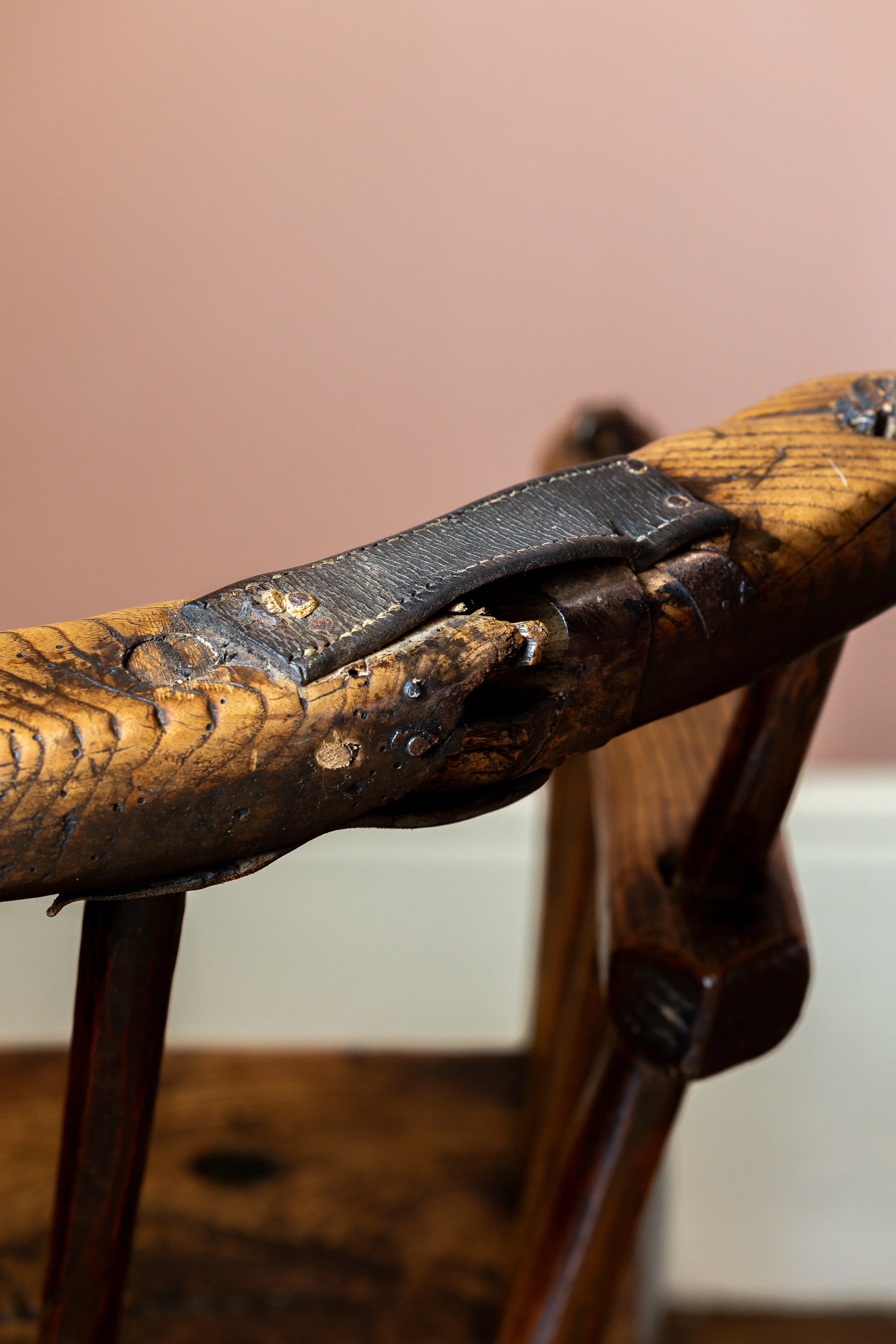
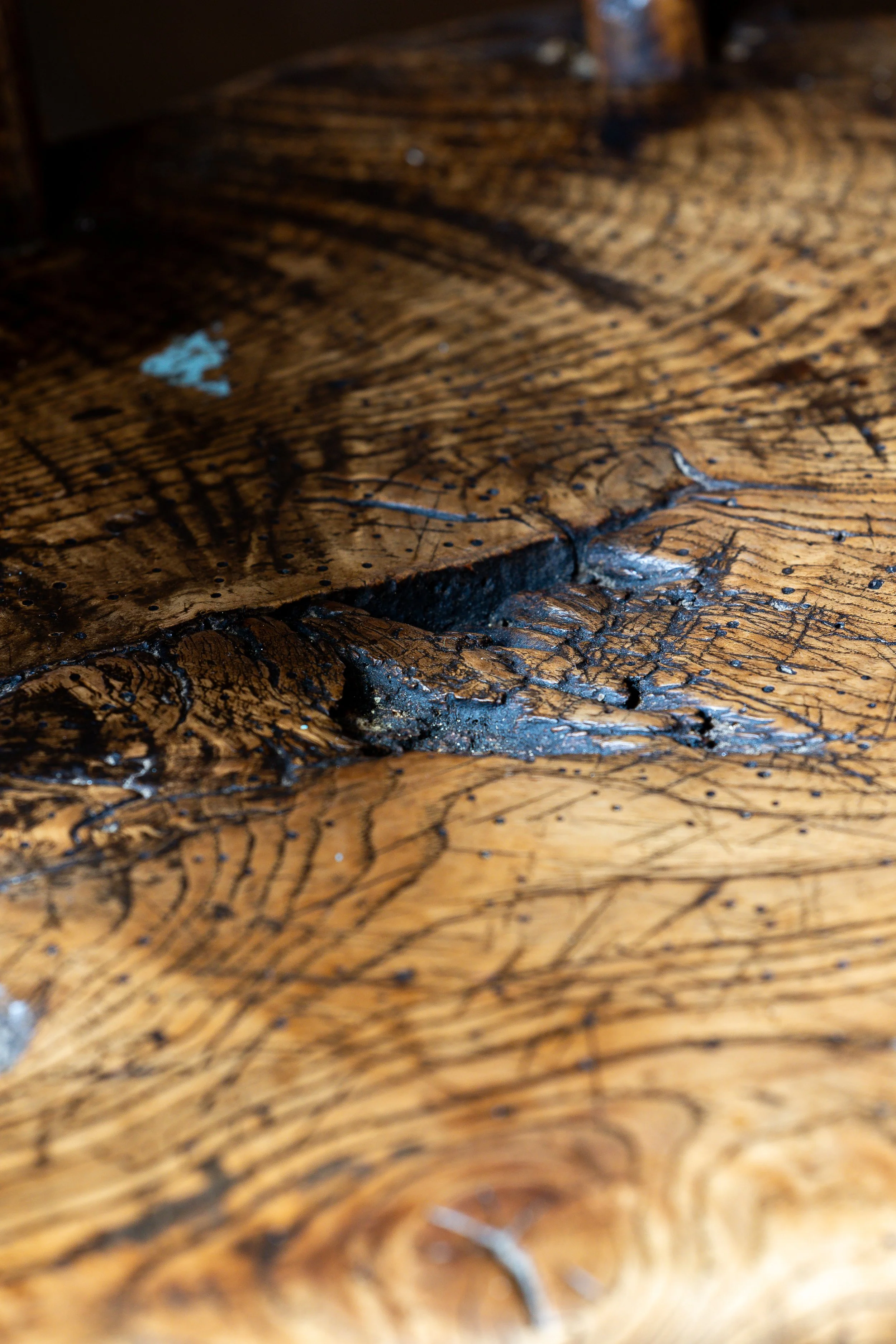
This chair is without doubt the best we’ve ever owned. It’s got everything we love in a chair, great size, fantastic colour, beautiful historic leather repair, thick slab seat, and an incredible shape and atmospheric presence. I love it so much I got a tattoo of it. Chairs like this don’t come along very often. In our house which is full of chairs it’s referred to as ‘the chair’. As good as it gets if you’re into vernacular furniture.
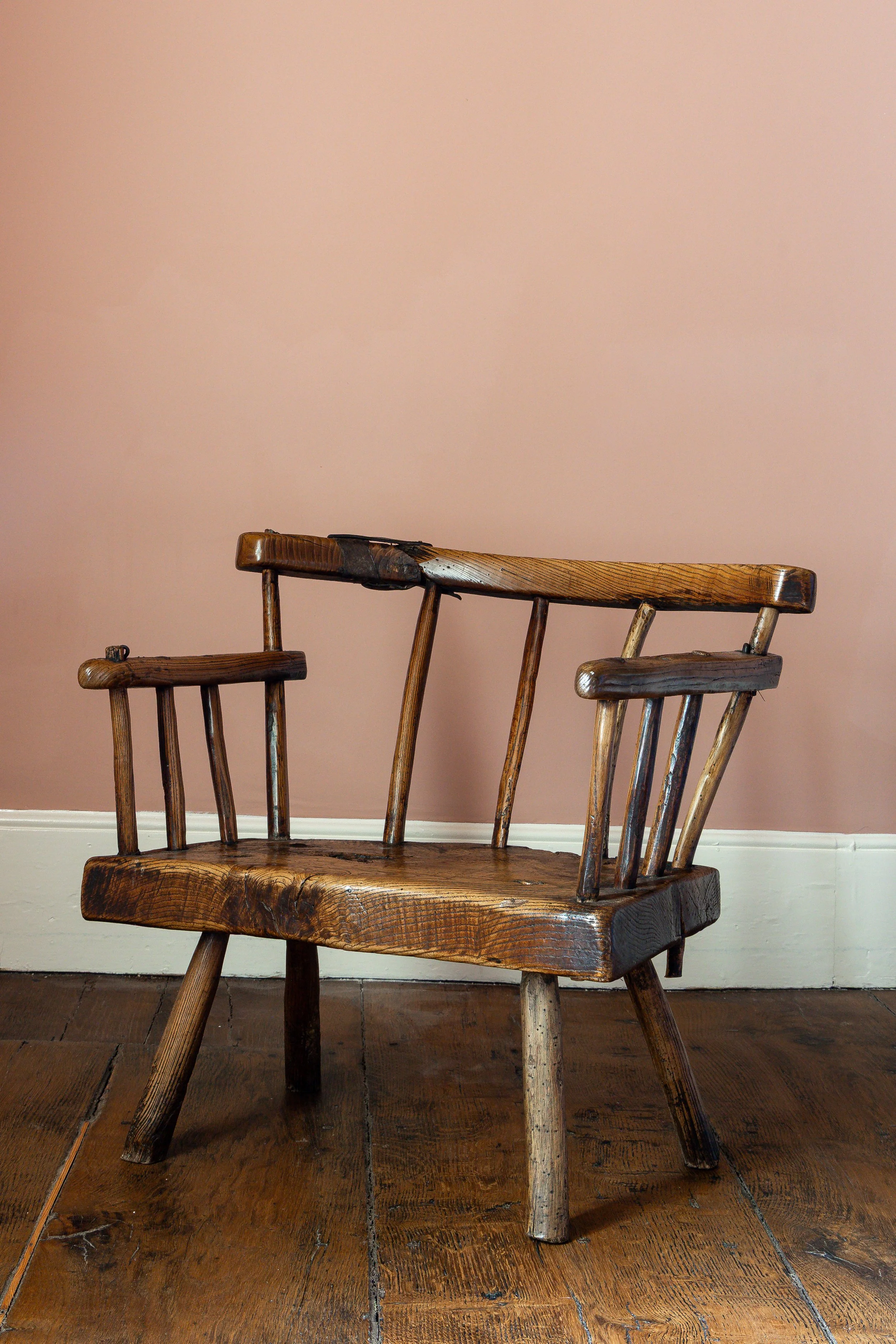
Historic leather repair
What is a Hedge Chair?
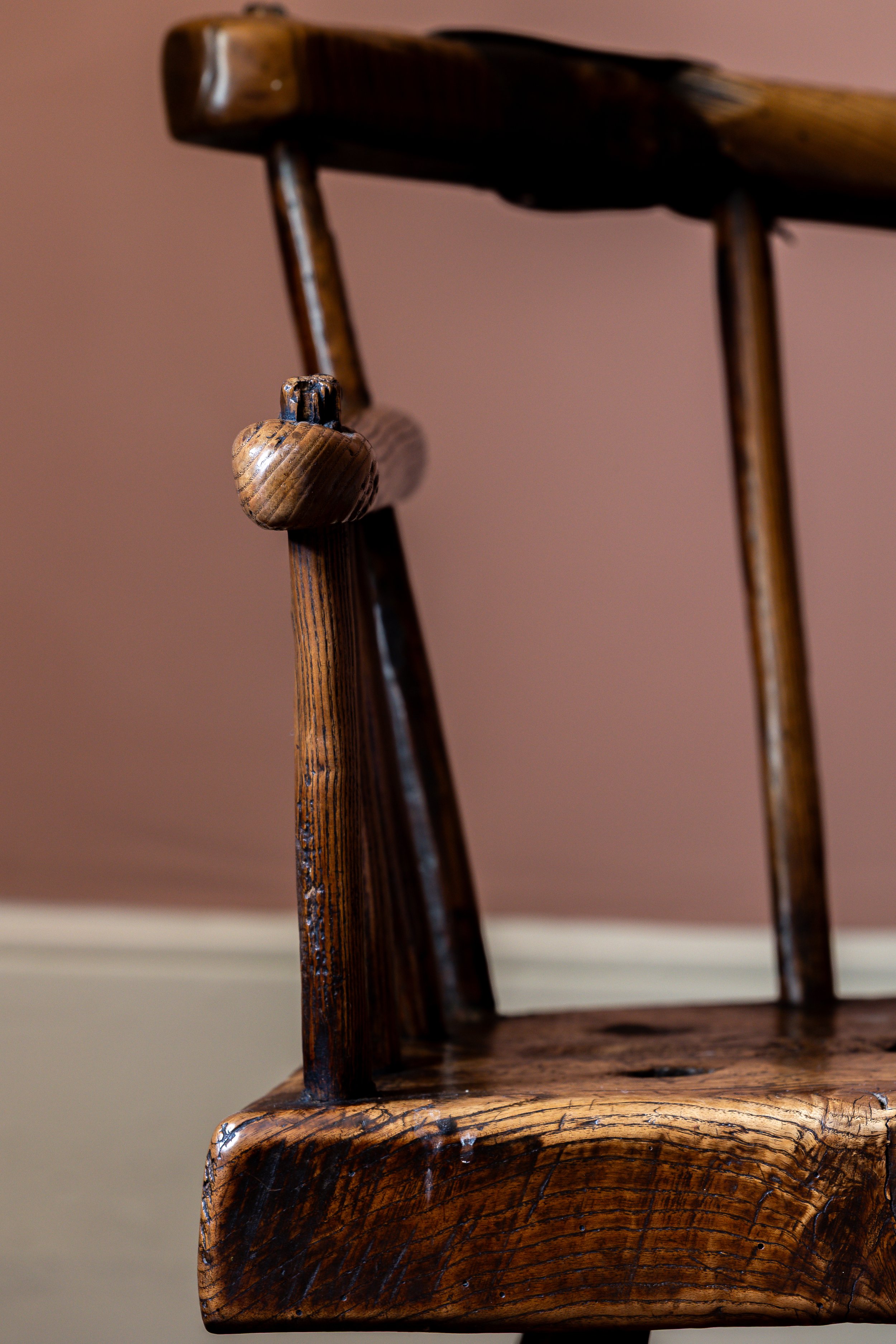
Hedge chairs are a form of primitive chair that originated in rural Ireland in the 18th and 19th centuries.
Their name derives from the fact they were created by hedge carpenters, who, unlike traditional carpenters, were untrained, and tended to approach chair-making by choosing wood that had naturally grown in the required shape, rather than cutting the timber to fit an established design, saving time and effort.
Quite often, the most suitably shaped pieces were found in hedges, which is why so many hedge chairs are made from mixed woods. This way of working was considered to be inferior at the time, but the method means that every hedge chair is wonderfully unique, and today their individuality and humble construction makes them hugely sought after by collectors.


Discover Our Other Chairs
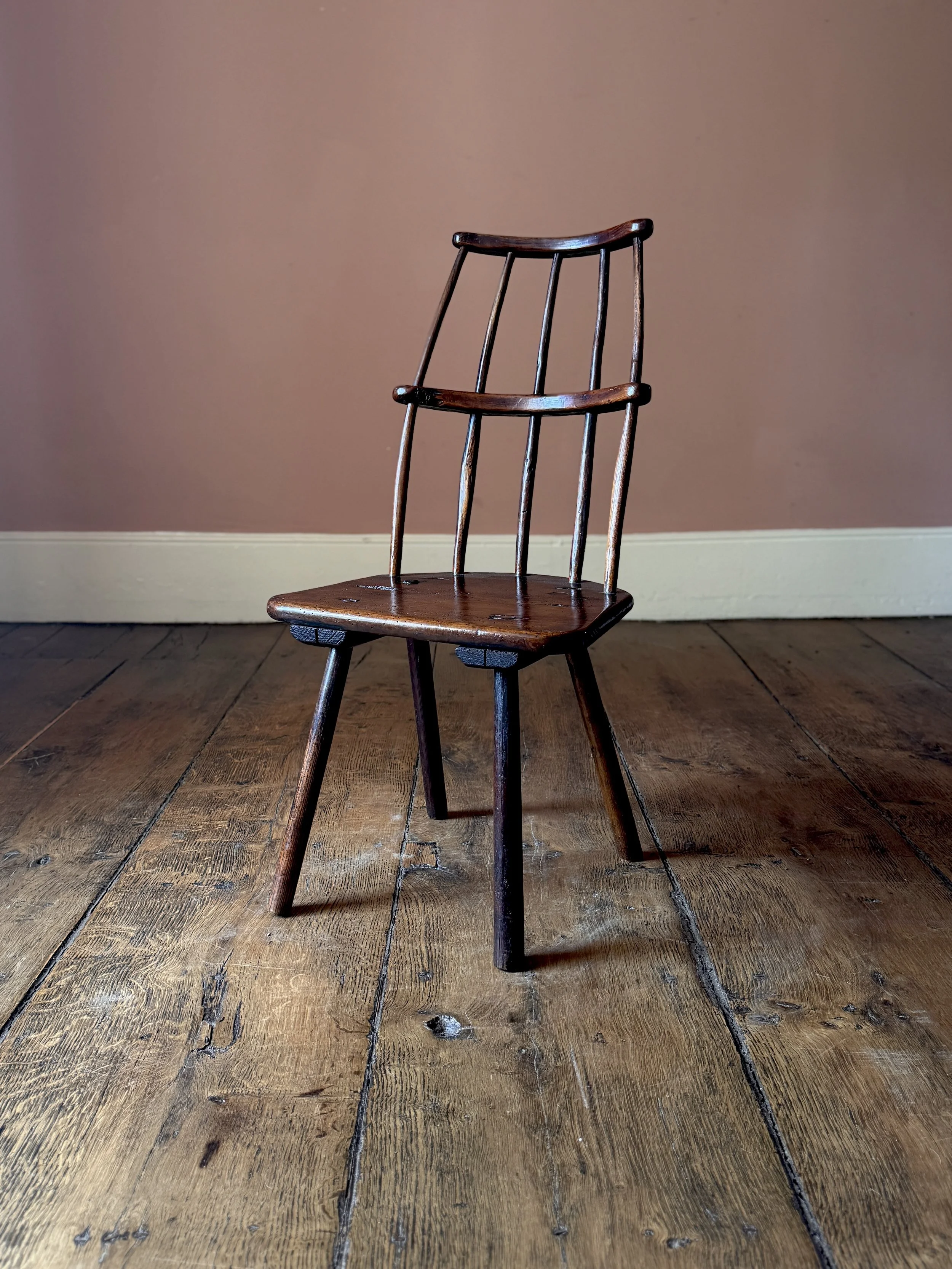
Height 79.5 cm
Width 40.5 cm
Depth 47 cm
A delightful 18th Century Cornish lobster pot chair in ash and elm. Made for an older child or small adult. Fantastic colour and really great shape.
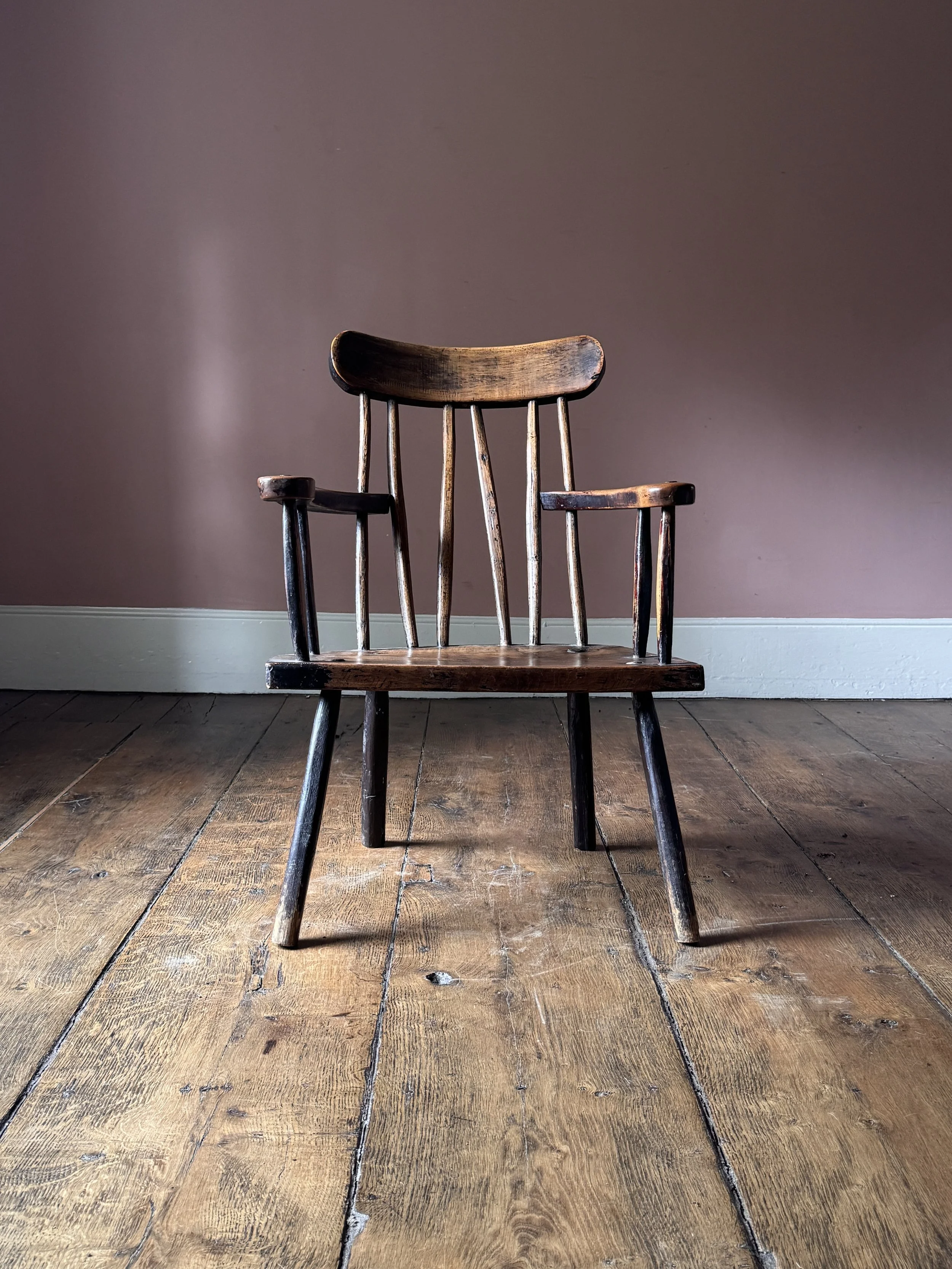
Height 87 cm
Width 61 cm
Depth 72 cm
A good 19th Century Irish Gibson chair with traces of the original paint. Very comfortable and generously proportioned. A classic piece of Irish vernacular furniture.
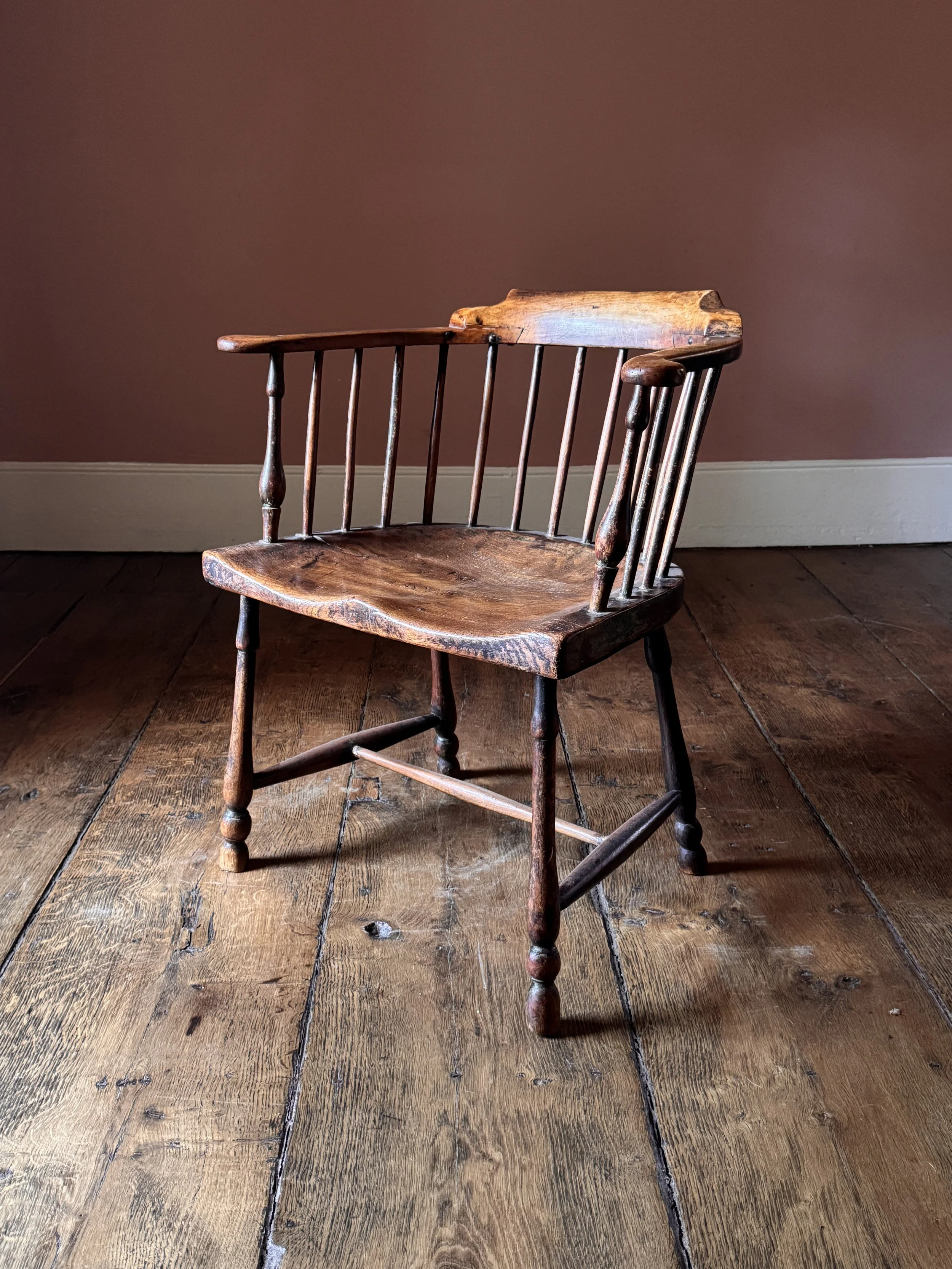
Height 73 cm
Width 68 cm
Depth 49 cm
A handsome early 19th Century West Country Windsor armchair in elm and beech. A generous saddle seat and in great condition. Fit for everyday use.
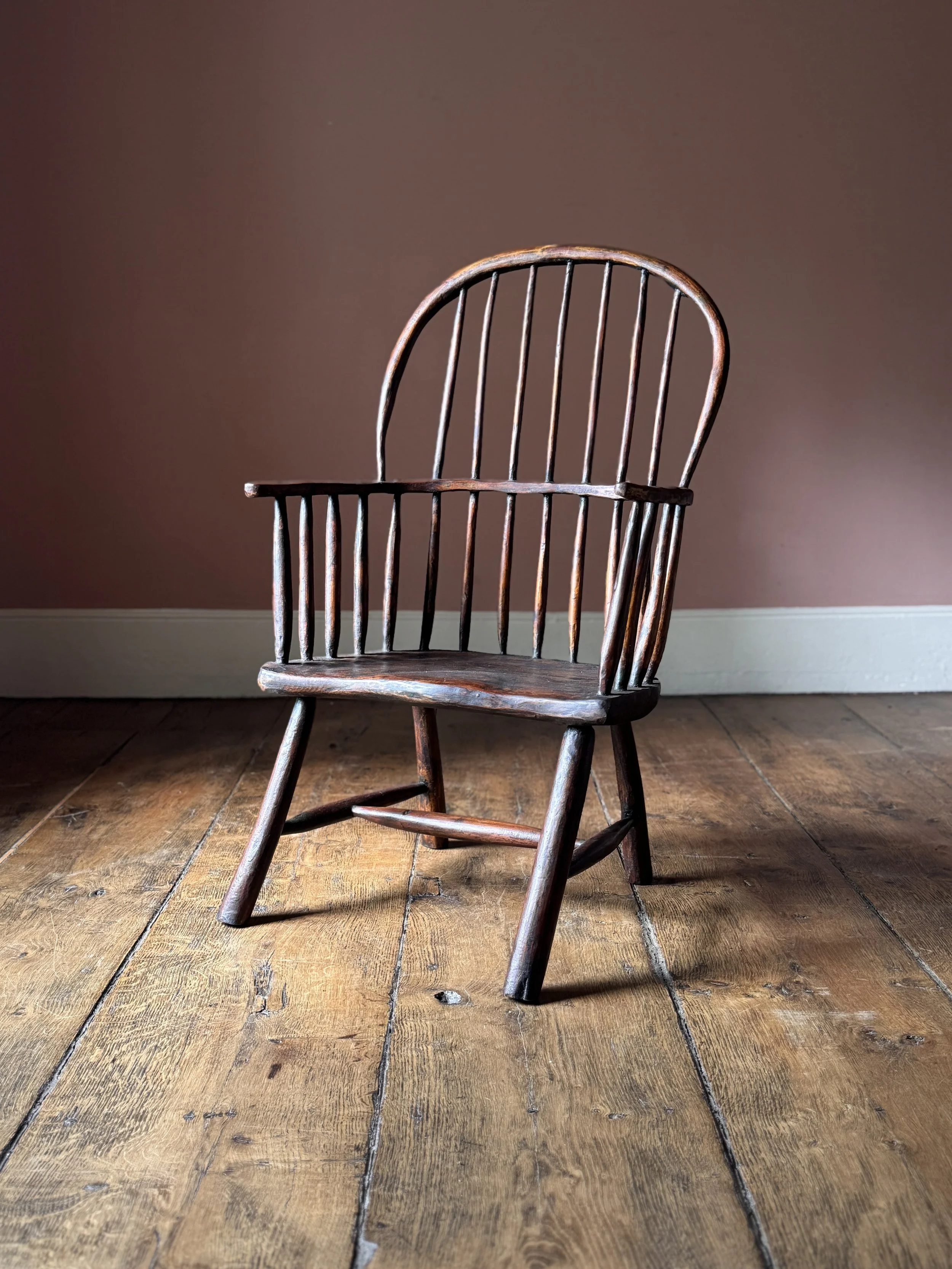
Height 97 cm
Width 56 cm
Depth 40 cm
An attractively shaped primitive 19th Century bow back Windsor armchair. Solid and very comfortable.
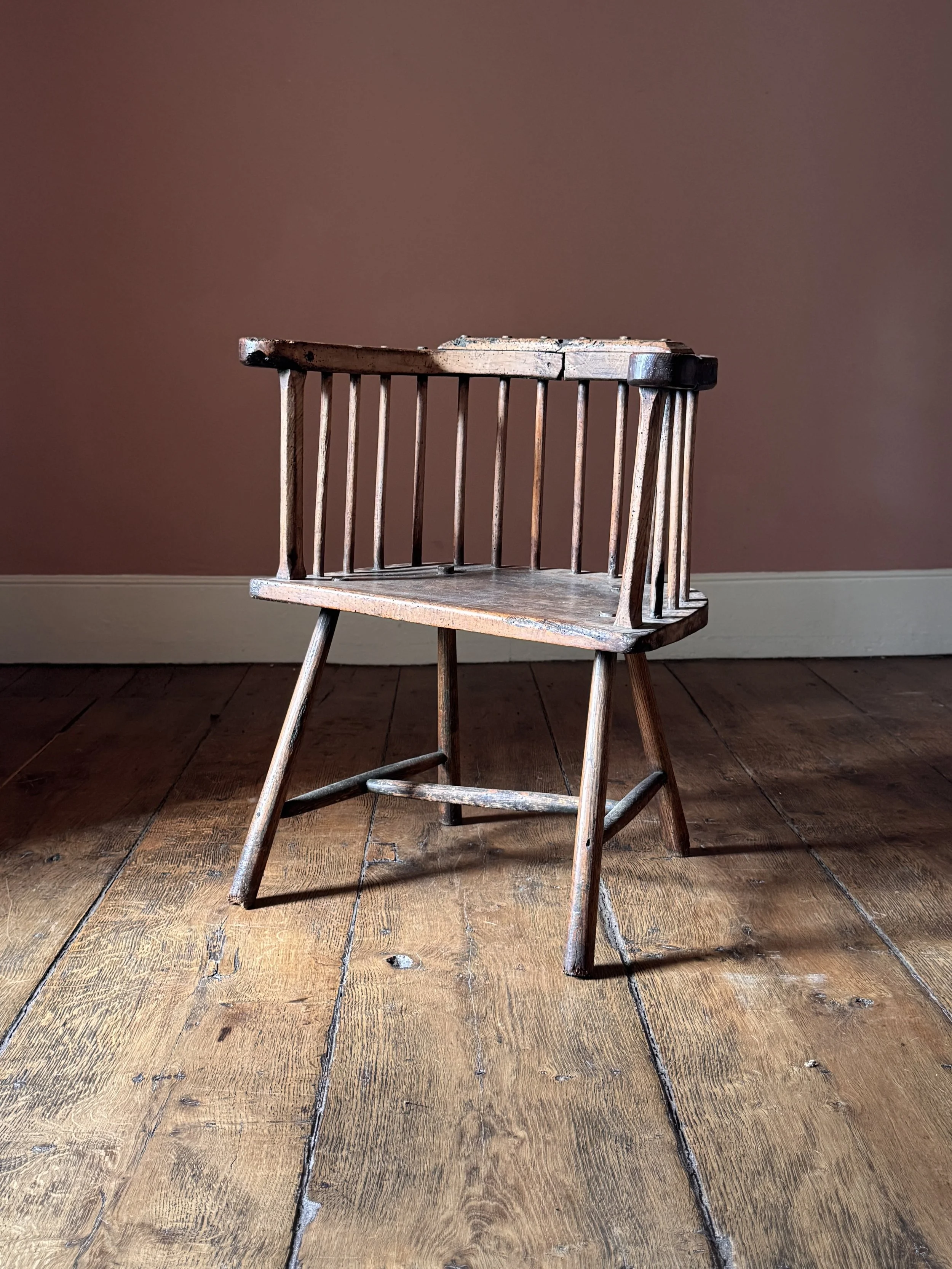
Height 78 cm
Width 65 cm
Depth 38 cm
Generously sized 19th Century country Windsor armchair, in ash and elm. Sturdy, comfortable and good for everyday use. Traces of original paint.
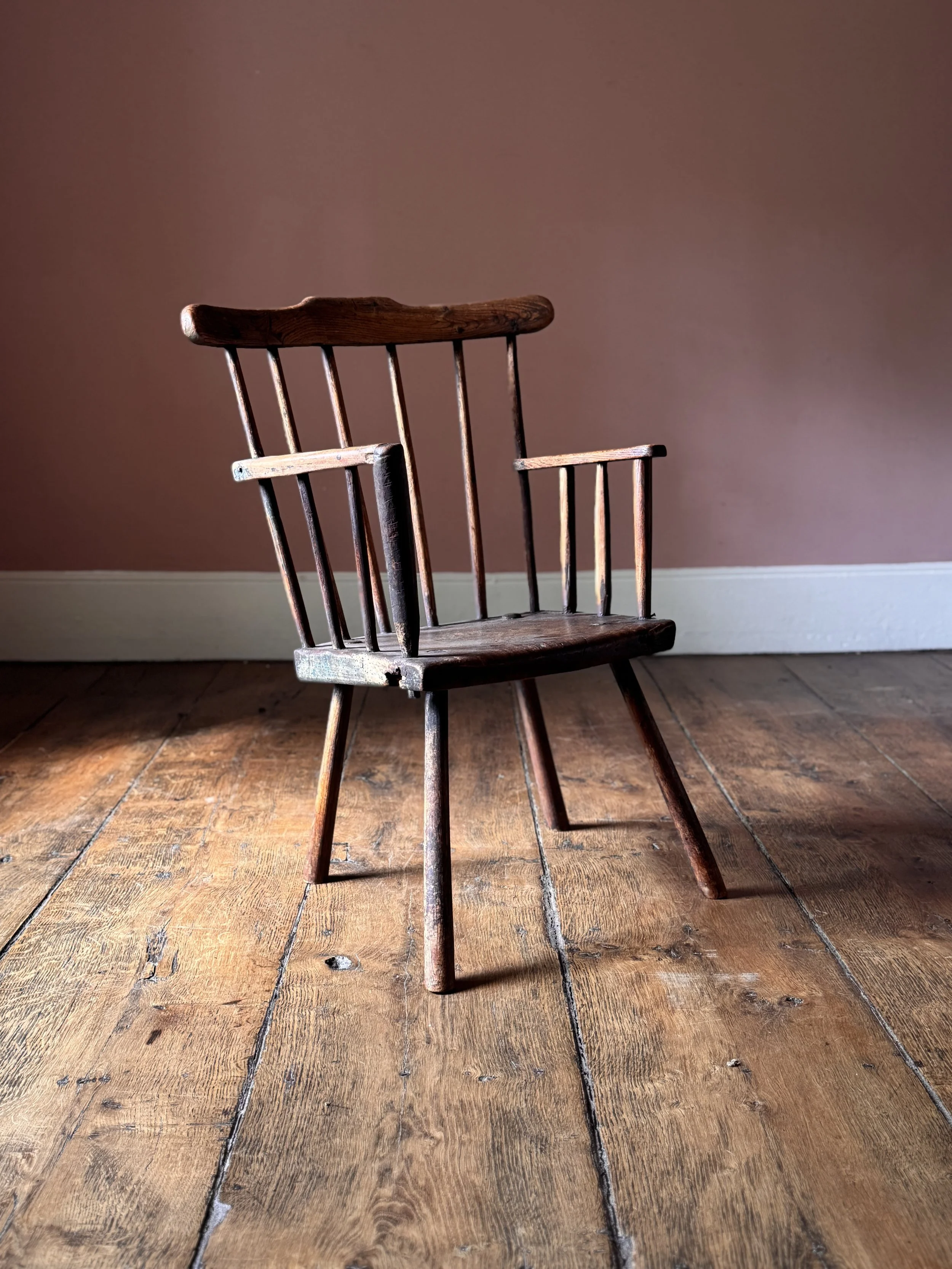
Height 84 cm
Width 62 cm
Depth 37 cm
A much loved and lovely 19th Century country armchair. The seat is sycamore, with an ash back, and mismatched arms: one oak and the other sycamore. A gem of a chair.
The Story:
Ages ago, this bloke, a Greek philosopher or whatever, asked the question: If a boat has all its parts gradually replaced over time, until eventually all of the parts have been replaced, is it still the same boat?' The ancient Greeks loved shit like this. They were always asking difficult questions and thinking about stuff.
This chair is a bit like that boat. It's been loved and repaired so many times that it's tricky to tell which parts are original. It's all the more wonderful because of that. Particularly lovely are the entirely mismatched arms.
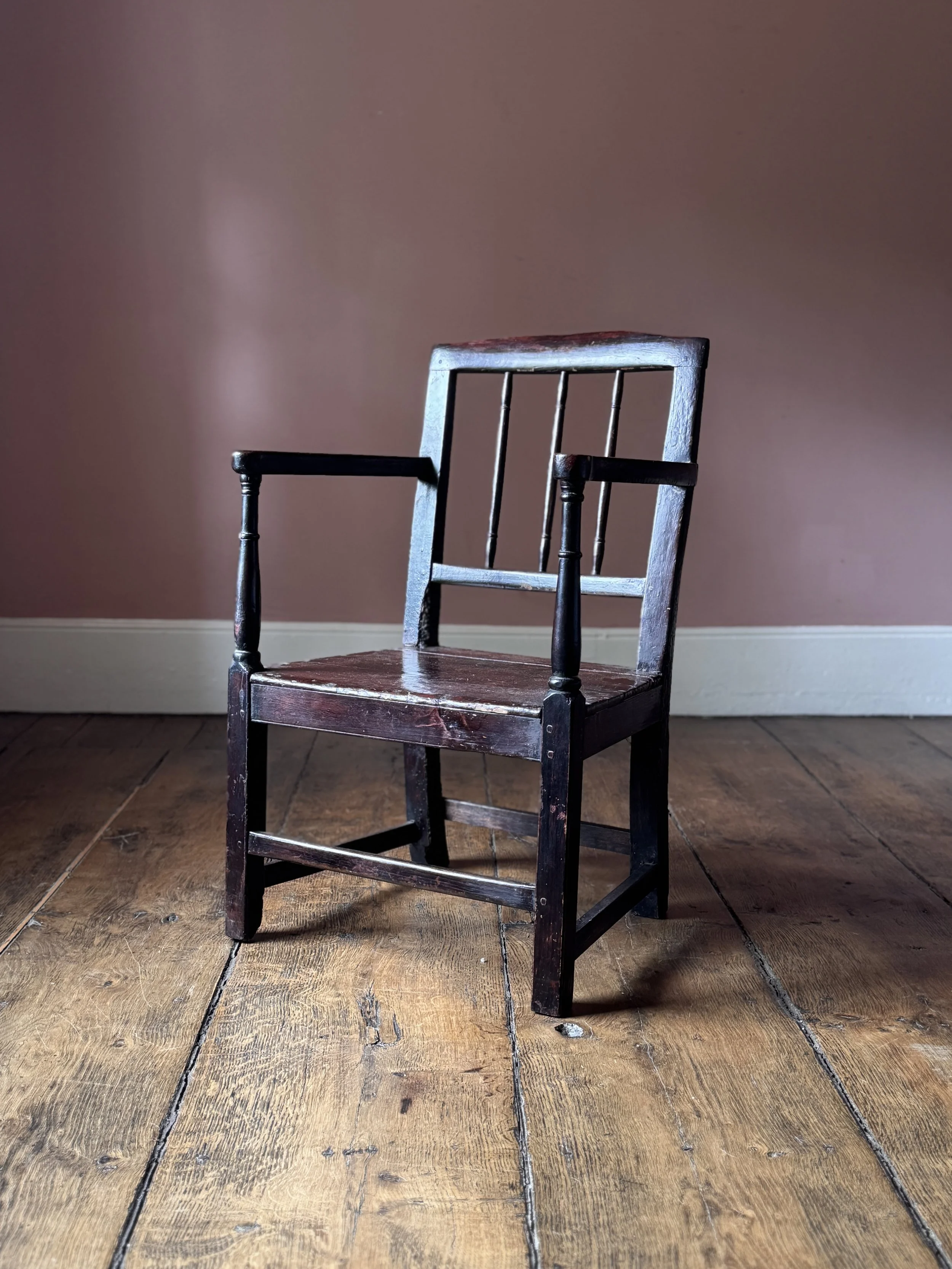
Height 84 cm
Width 54 cm
Depth 41 cm
A handsome 18th Century Welsh armchair still in its original paint
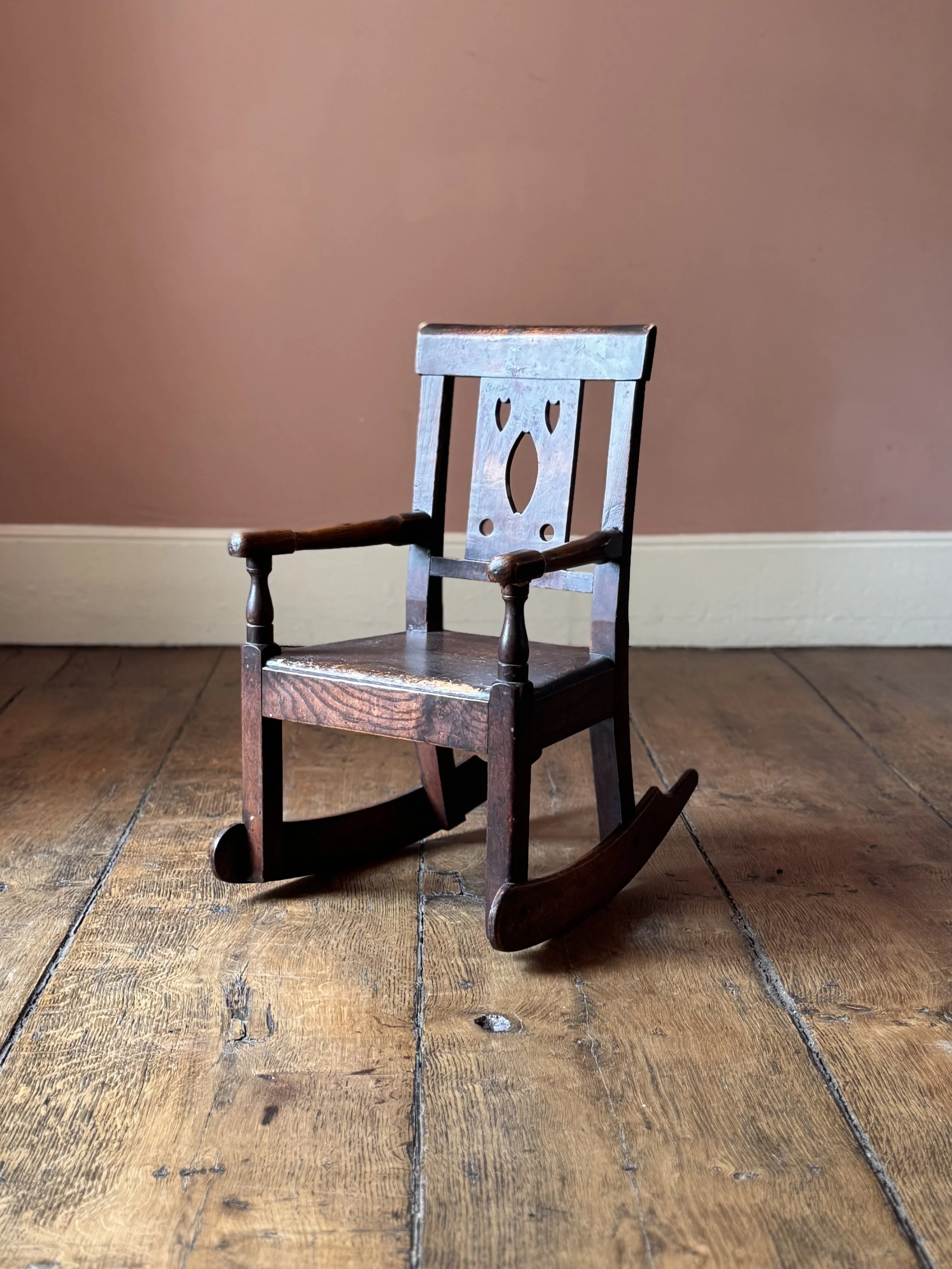
Height 62 cm
Width 37 cm
Depth 57 cm
A 19th Century child’s rocking chair, probably French. In great condition with attractive decoration. Used for over 100 years and good for another 100.
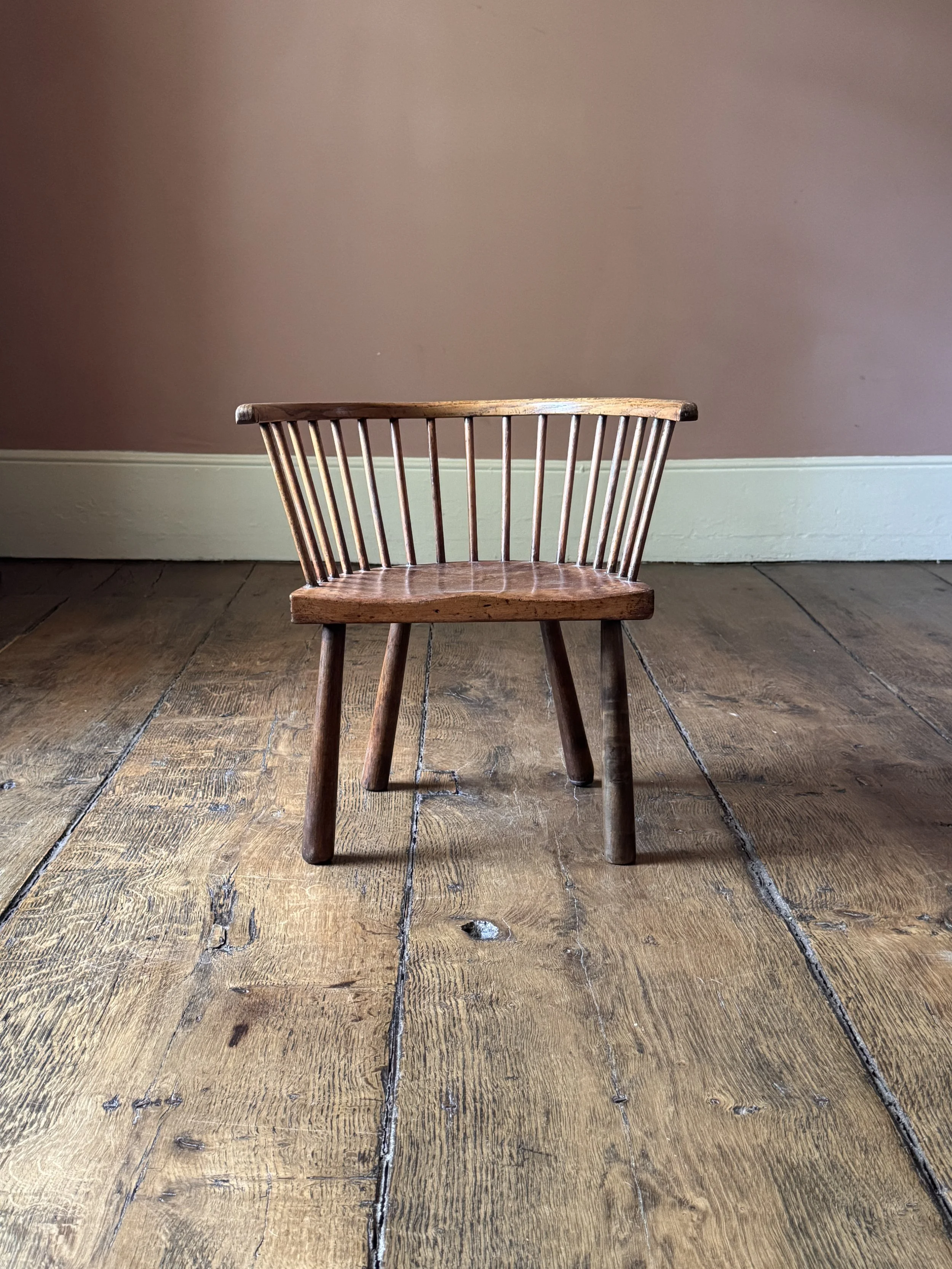
Height 44 cm
Width 42.5 cm
Depth 27.5 cm
Seat Height 27.5 cm
A pretty little 19th Century child’s stick chair. Great colour to the seat.
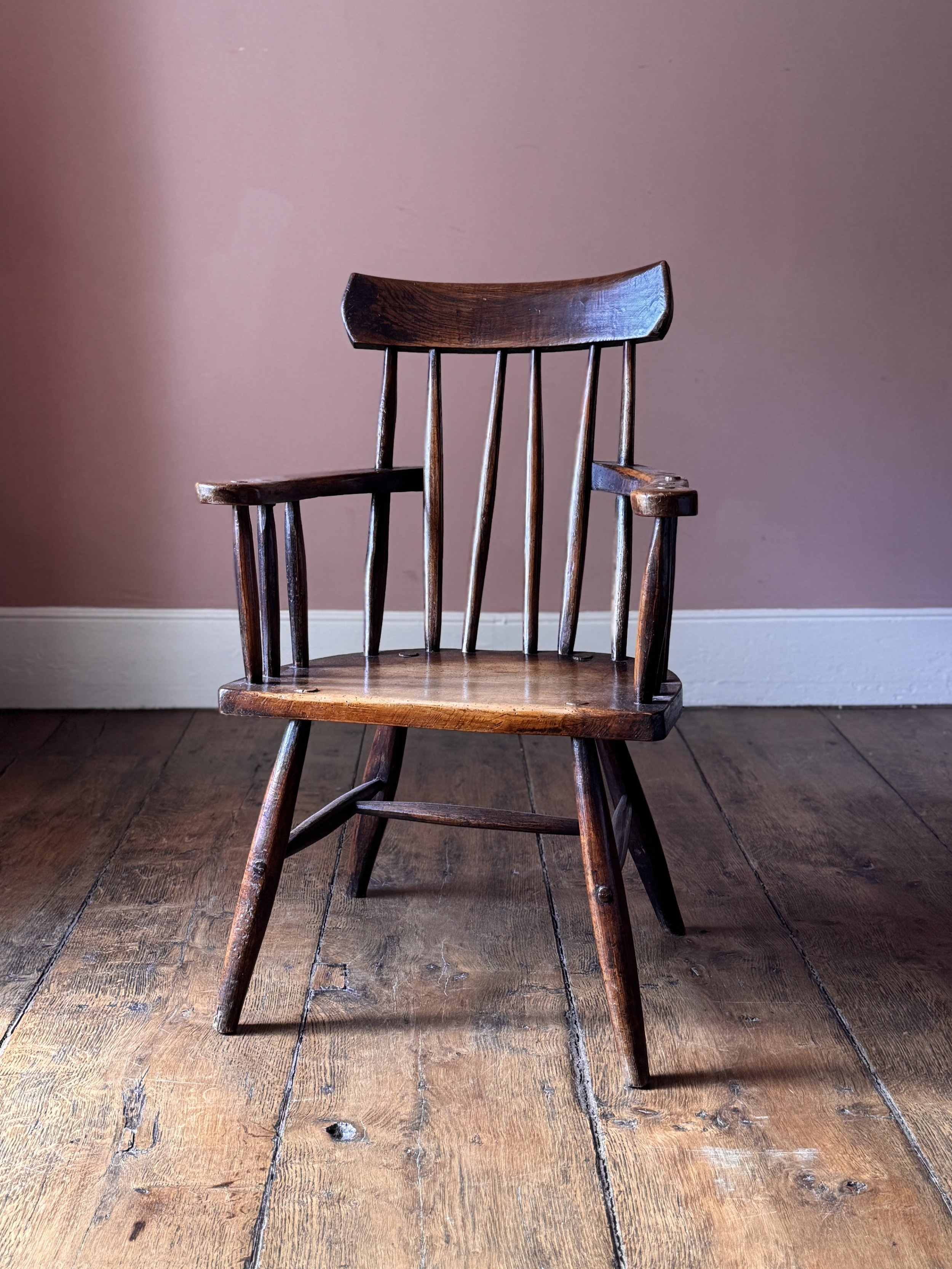
Height 94 cm
Width 62 cm
Depth 37 cm
Seat Height 43 cm
A superb 19th Century Irish Gibson chair in sycamore and ash. Gibson chairs are iconic amongst vernacular Irish furniture for their distinctive shape and construction. There is no definitive explanation as to why they are known as Gibsons as the origin of the name has been lost over time. This example has fantastic colour and patina and is a great example. With a broad seat and gently sloping back it is extremely comfortable and solid. A really wonderful example of vernacular Irish seating.
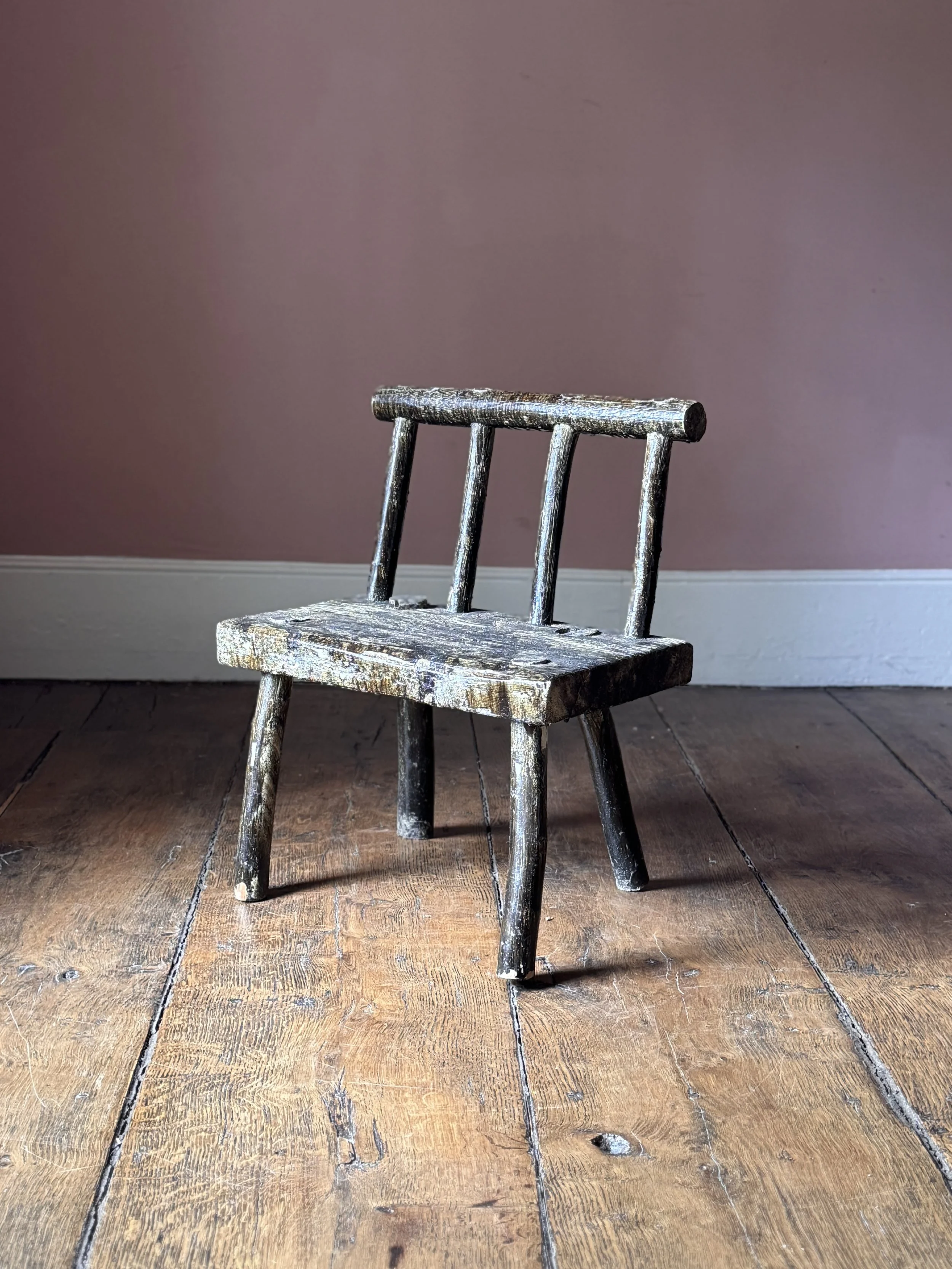
Height 61 cm
Width 51 cm
Depth 36 cm
A primitive Irish hedge chair showing several layers of historic paint. Probably early 20th century but could be earlier. Great chunky shape and folky presence. Sourced in County Clare, Ireland.
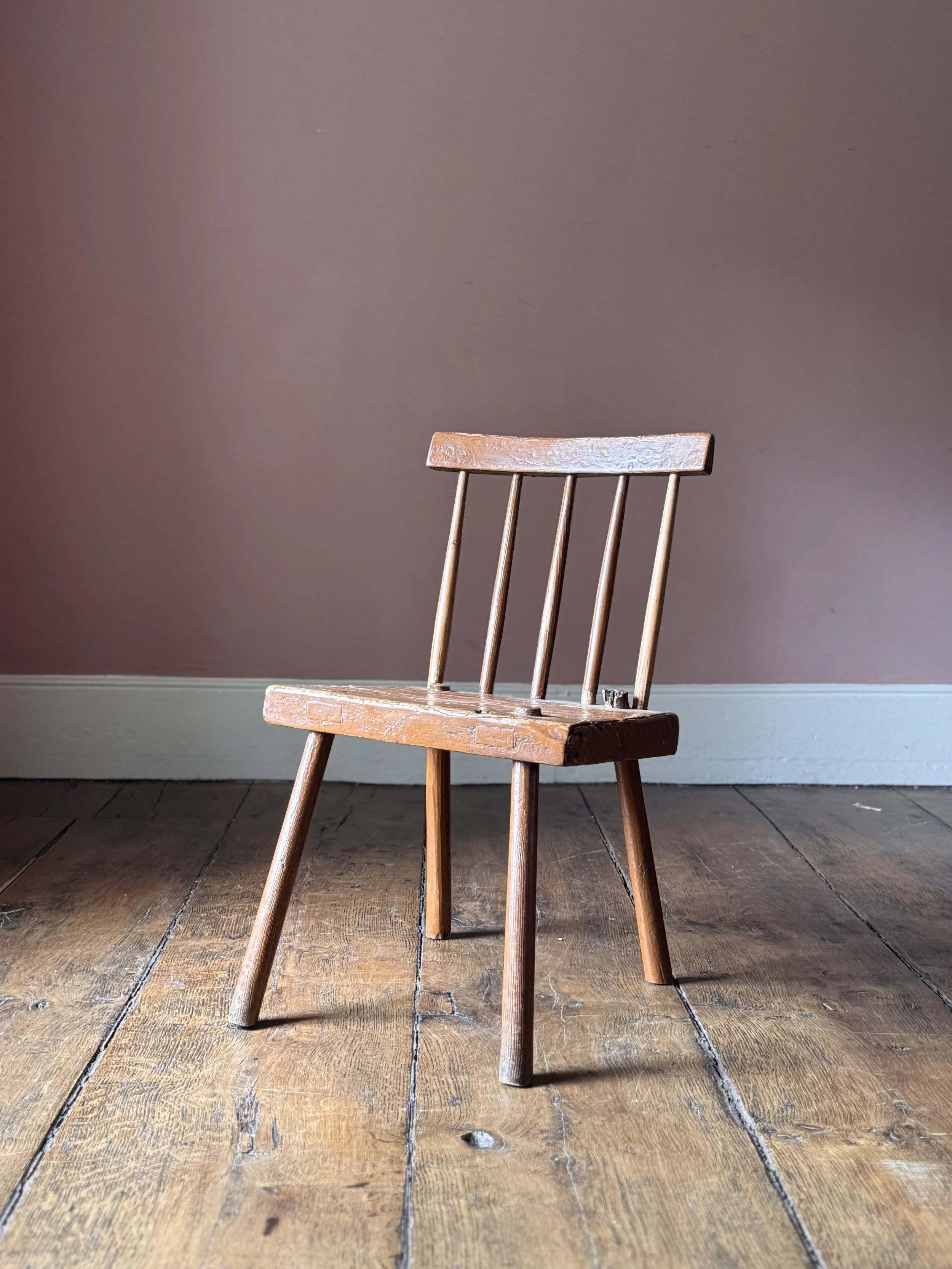
Height 72 cm
Width 44 cm
Depth 49 cm
This vernacular 19th Century Irish chair from County Antrim has been overpainted many times over its life. The current top layer is a striking orange. A very primitive yet elegant design typical of the Antrim area of Ireland. A lovely chair with lots of character.
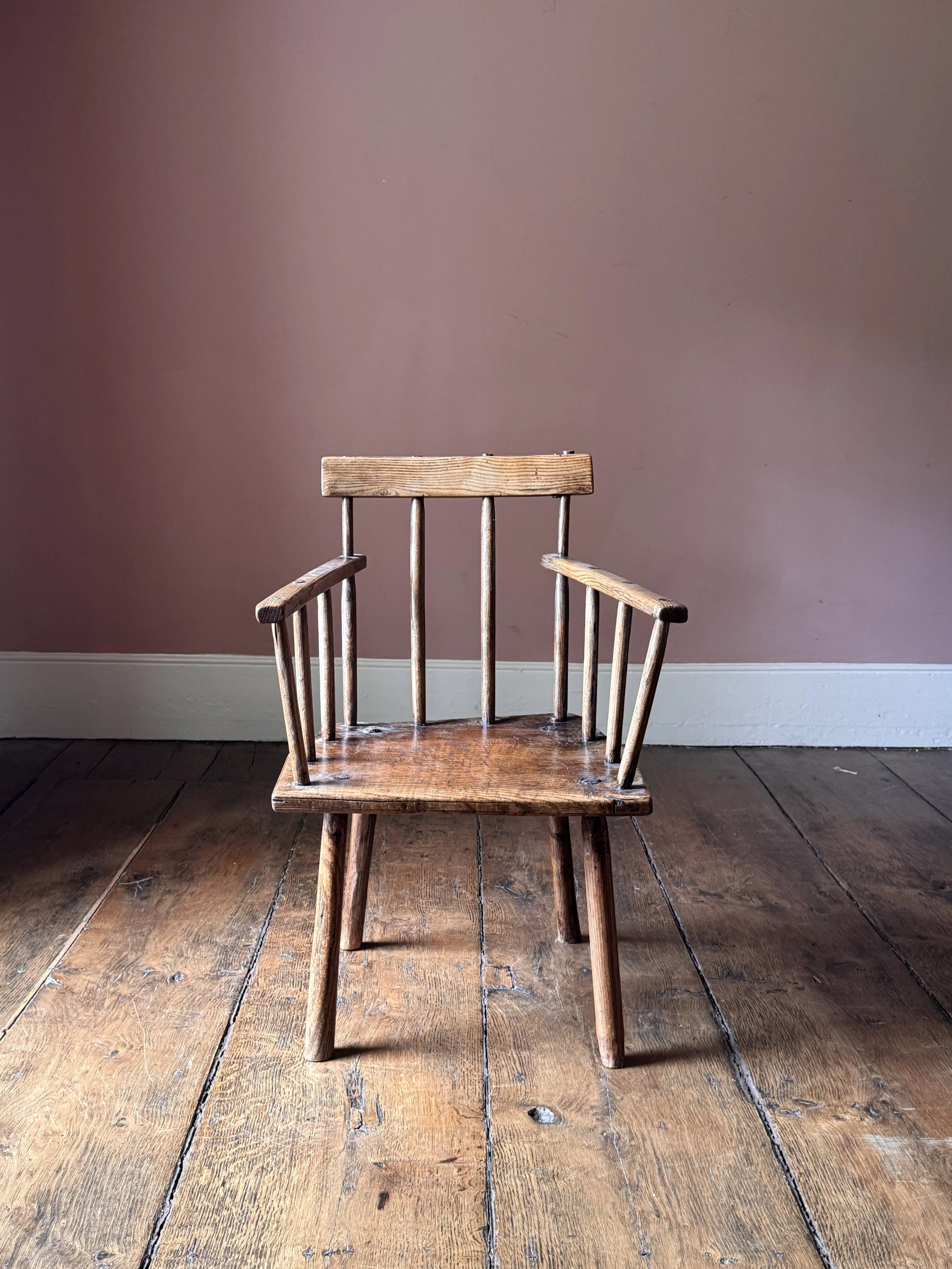
Height 80 cm
Width 50 cm
Depth 43 cm
An attractive 19th Century Irish hedge chair with traces of historic paint. Good Irish hedge chairs are increasingly hard to find. Once considered by some to be the poor relations of their Welsh stick chair cousins, hedge chairs are now being reconsidered and recognised for their unique history and beauty. For us Irish hedge chairs show the very best properties of primitive or vernacular chairs, they’re uniquely shaped, humble in origin, honest and beautifully perfect in their imperfection. They exhibit evidence of the trees they were made from, the people who made them and the long history of people who sat on and cherished them. They represent a kind of freedom of spirit and rebellion against conformity. We could bang on forever about hedge chairs and what they mean and probably will in another post soon. They’re good news though.
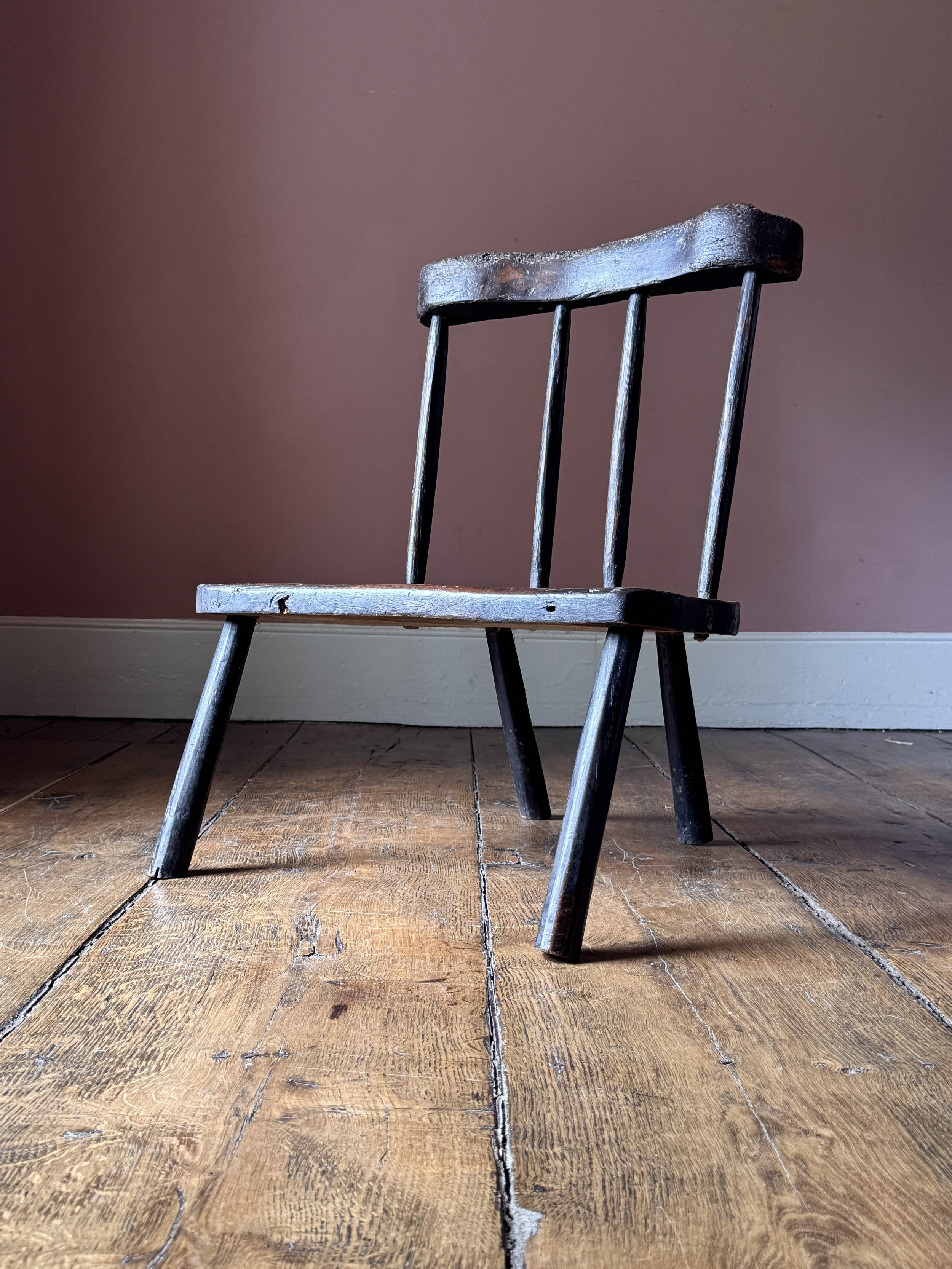
Height 77 cm
Width 62 cm
Depth 62 cm
An unusual and primitive 19th Century stick chair, likely estate or farm made from pieces of older timber. In the original black paint. An atmospheric and folky piece of vernacular furniture.
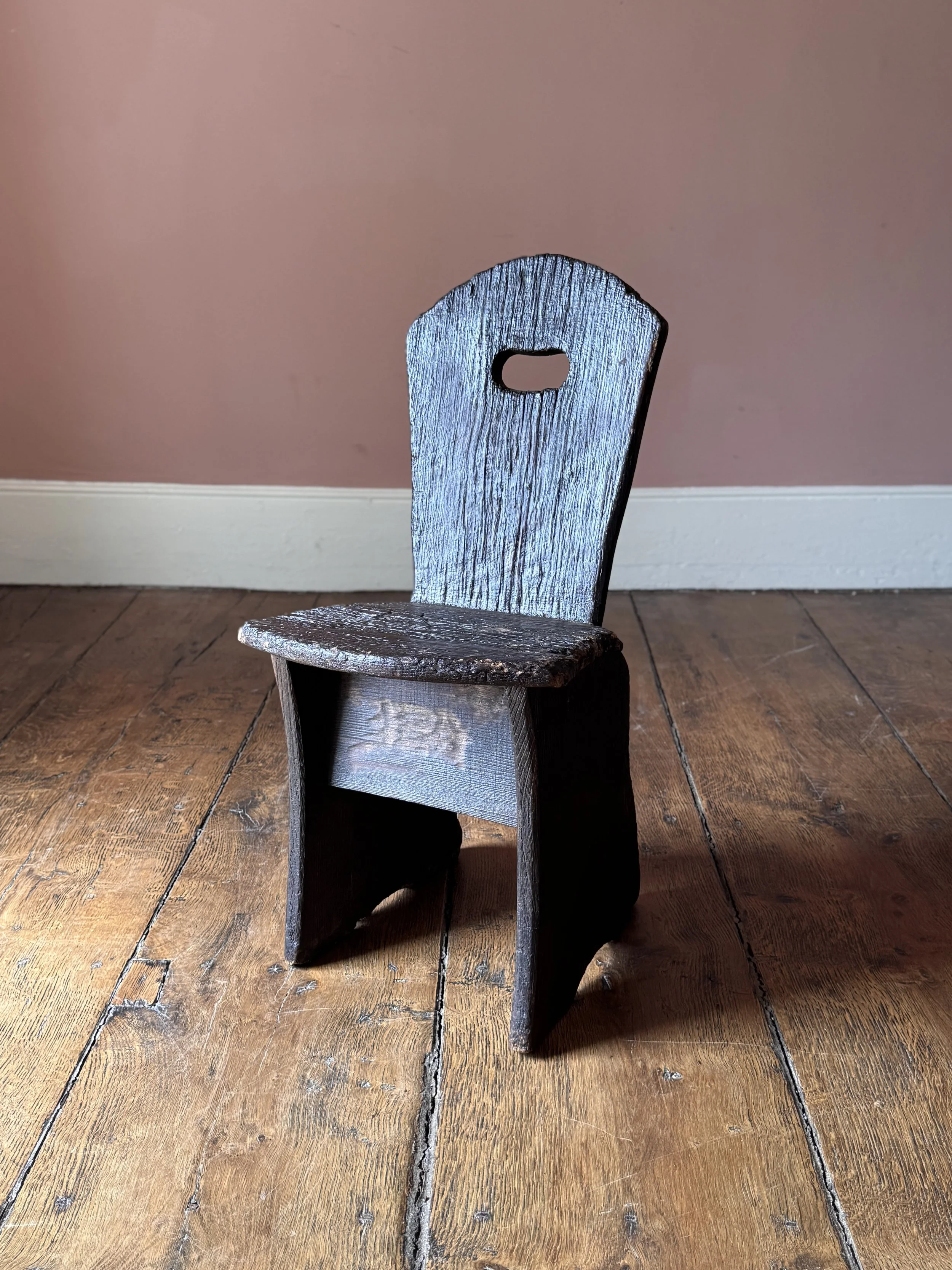
Height 74 cm
Width 37 cm
Depth 37 cm
A 19th Century oak slate splitters stool from Wales. Used in a quarry for refining slate into thinner slabs during the splitting process. Of very primitive nailed construction. Deeply worn through decades of use. An atmospheric piece of vernacular Welsh history.
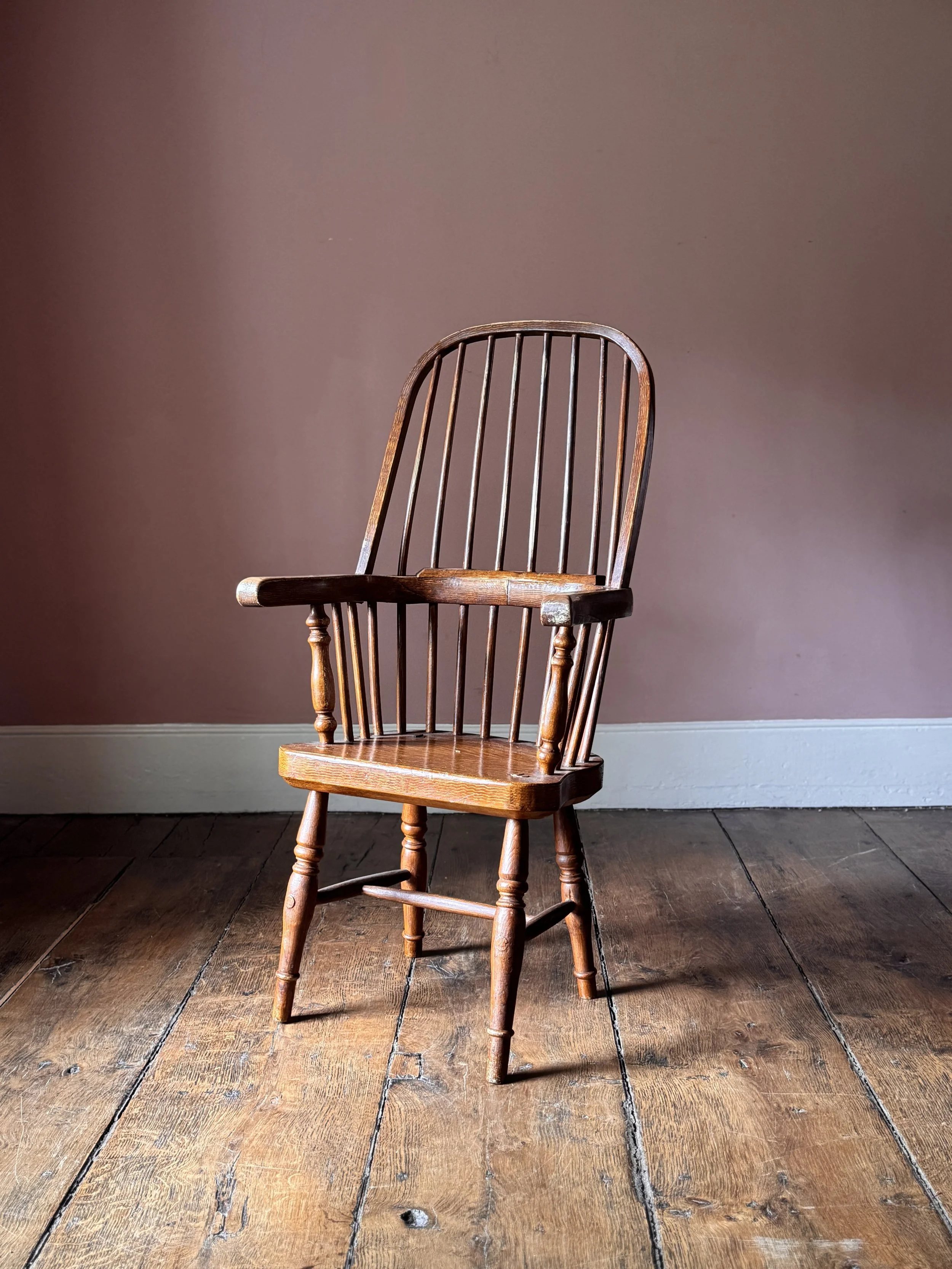
Height 112 cm
Width 57 cm
Depth 46 cm
A comfortable 19th Century Welsh stick chair retaining it’s original scumble paint finish. Scumbling was the practice of applying a painted finish to furniture to replicate a more expensive wood, in this case oak. Not often seen on chairs. Sourced in west Wales.
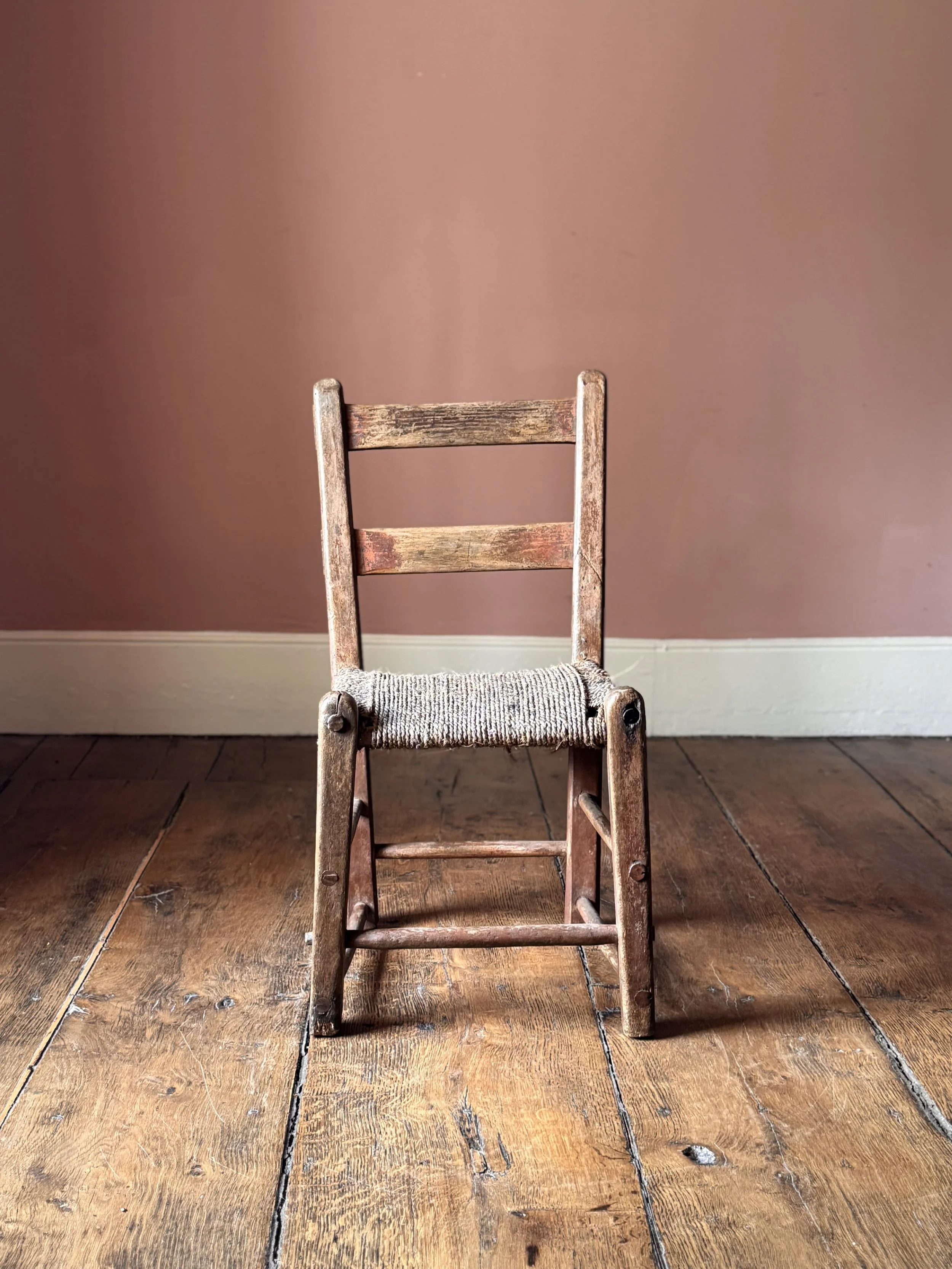
Height 77 cm
Width 43 cm
Depth 39 cm
A lovely 19th Century Irish sugan chair with remnants of historic paint. An atmospheric piece of vernacular Irish seating.
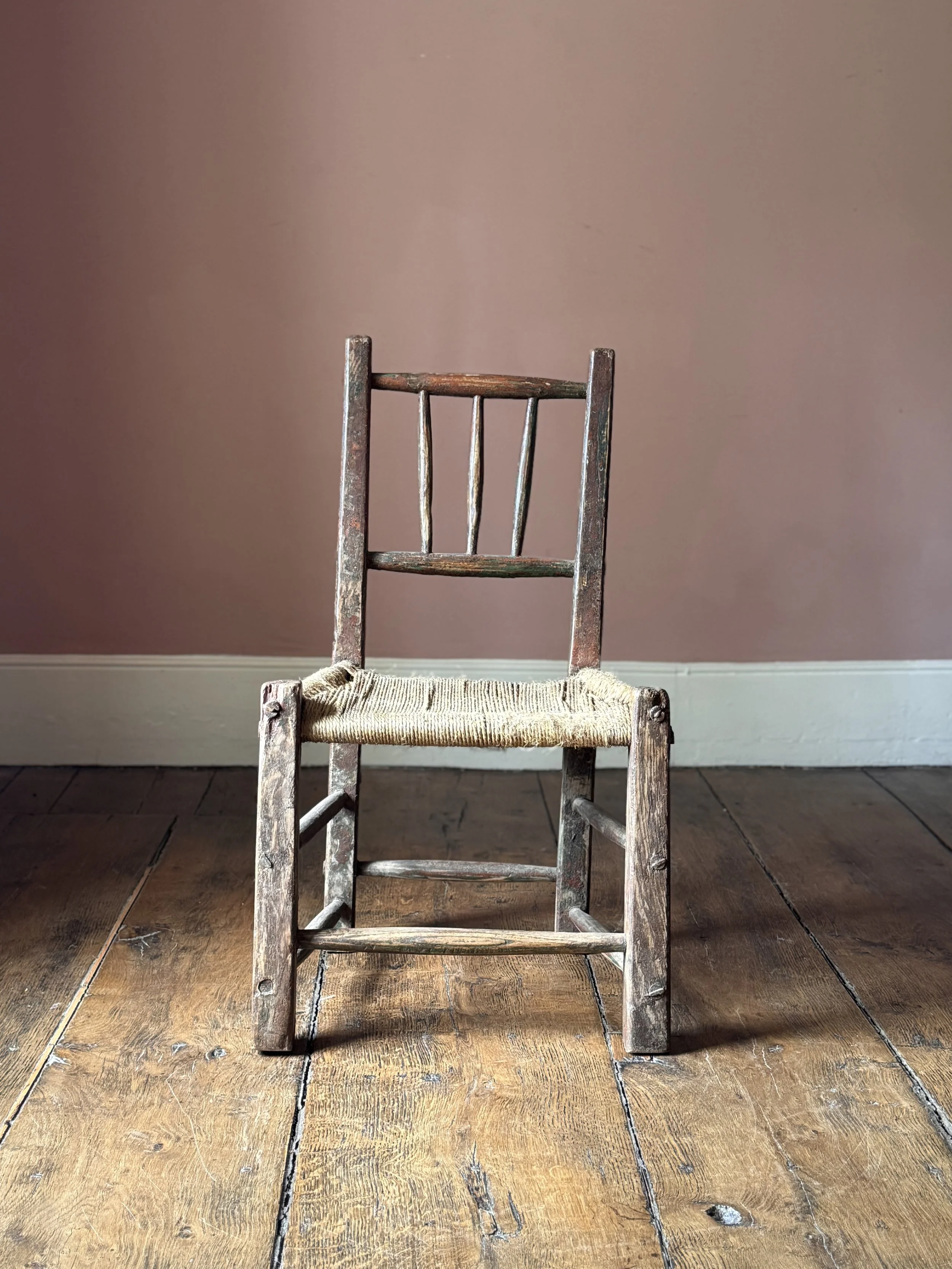
Height 82 cm
Width 49 cm
Depth 38 cm
For a long time we didn’t fully appreciate Irish sugan chairs, having fallen in love with their Irish sibling, the hedge chair. Recently we’ve woken up to their atmospheric and humble beauty and they’re now amongst our favourite chairs. In the Irish language sugan refers to the rope that is used to weave the seat. This is a typical style of 19th Century vernacular Irish seating. This example is particularly nice. In great condition with remnants of historic paint.
A great chair.
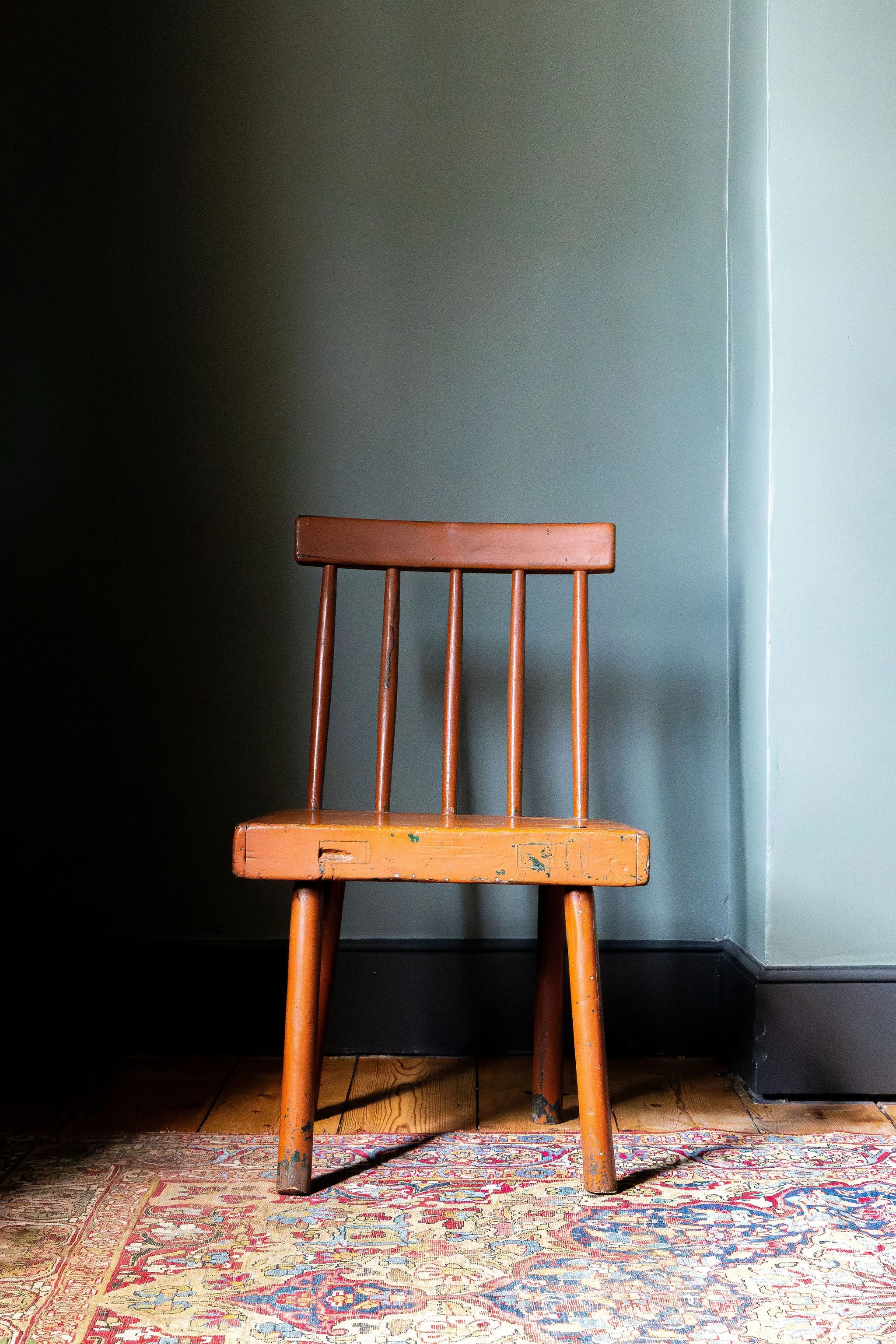
Height 76 cm
Width 47 cm
Depth 36 cm
An attractive 19th Century Irish Hedge chair of traditional construction with historic red paint. A very pretty piece of Irish vernacular seating.
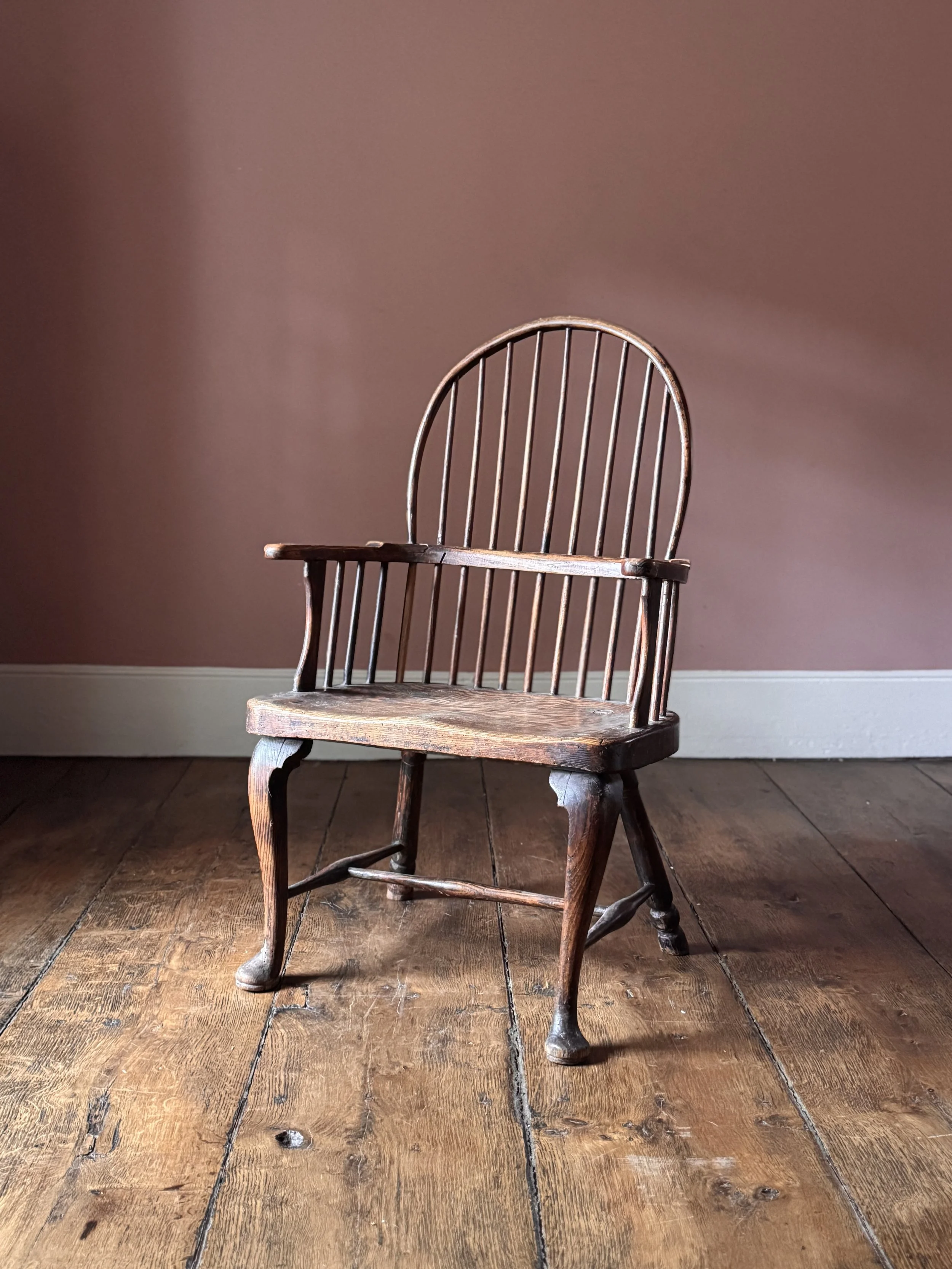
Height 105 cm
Width 61 cm
Depth 40 cm
A good 19th Century West Country hoop back Windsor armchair . Particularly generous seat. Cabriole front legs.
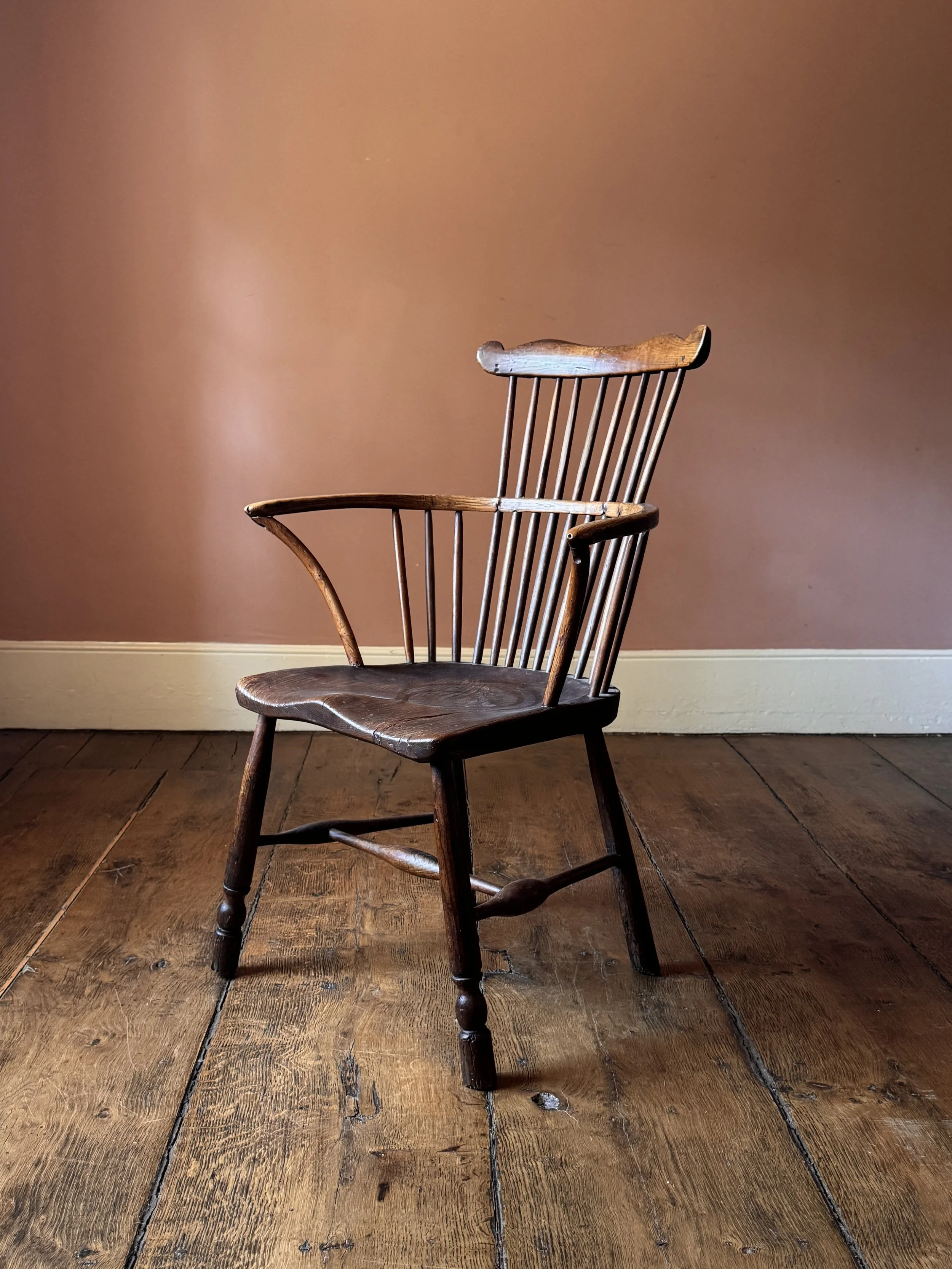
Height 95 cm
Width 66 cm
Depth 61 cm
A comfortable and attractive 19th Century English Windsor chair
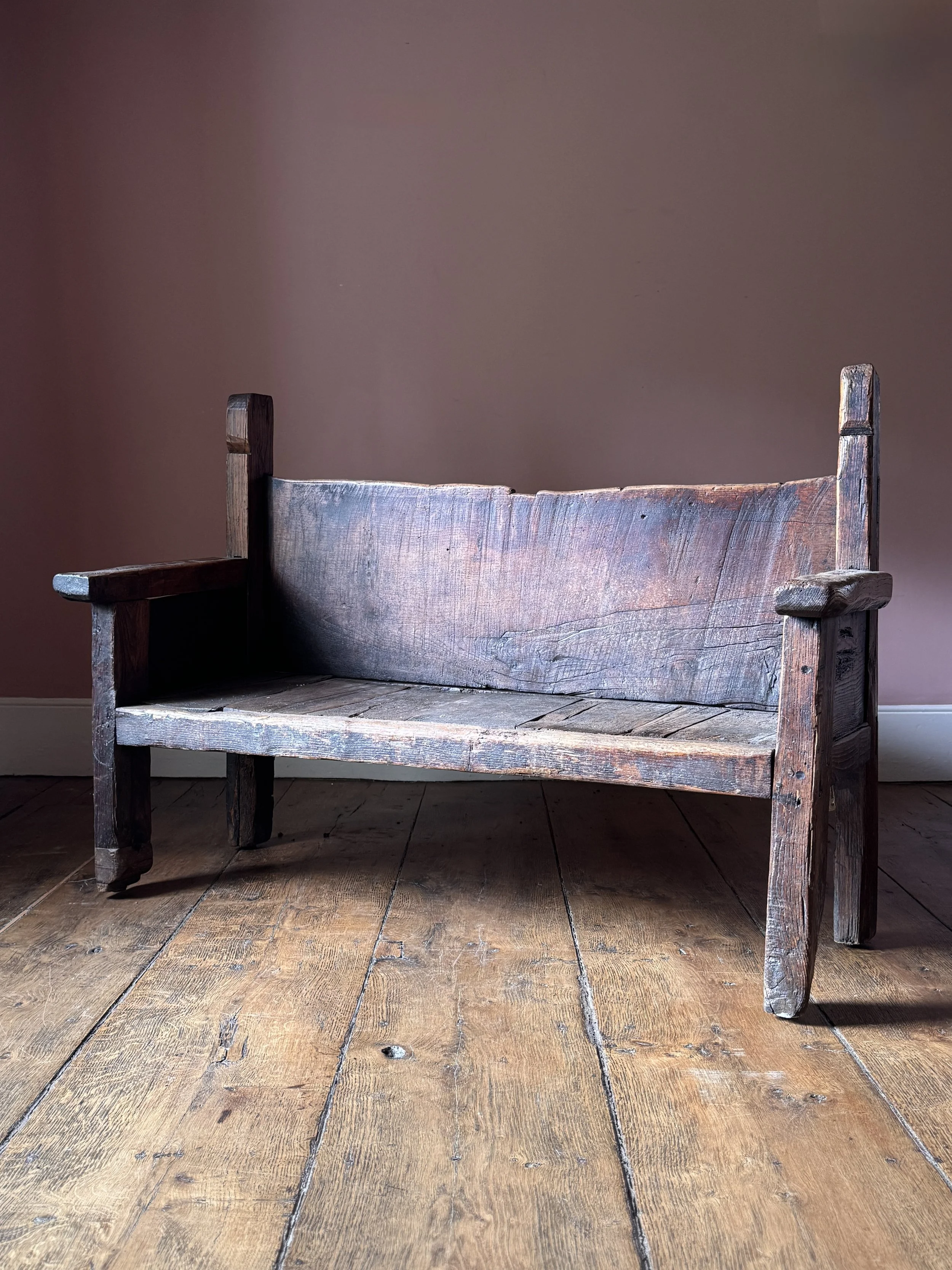
Height 99.5 cm
Width 142 cm
Depth 56 cm
A magnificent and imposing 18th Century Spanish bench in chestnut. Very atmospheric piece of vernacular furniture. Great thing. Repair to one leg.
Height 66 cm
Width 53 cm
Depth 40 cm
An early 19th Century low back country Windsor armchair with an exceptional elm slab seat and great colour. A very good chair.